September 30, 2026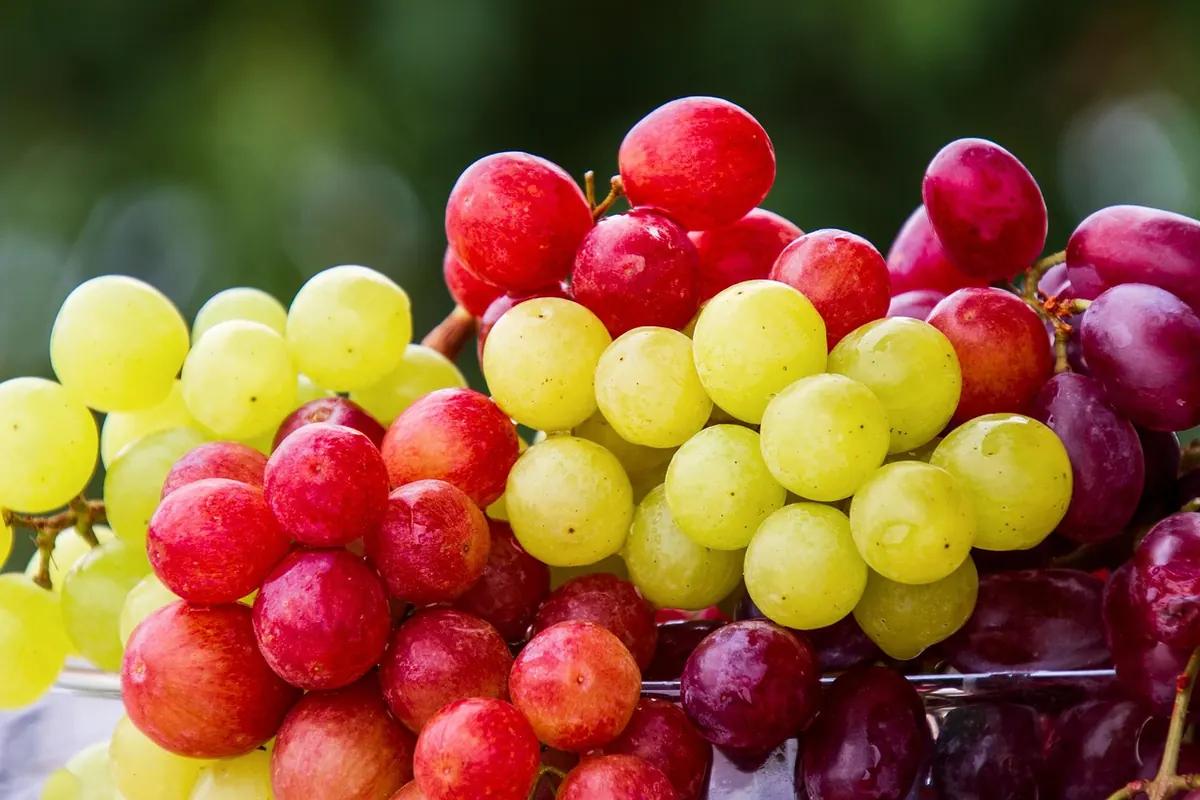
Picking grapes at the right moment in the UK is a balance between flavour, sugar and weather. The calendar gives a rough idea, but your vines, your site and the weather that year have the final say. Here’s how to read the signs, test the fruit and make a confident call.
Why the calendar is only a rough guide
In the UK, grape harvest can run from early September to late October, sometimes into November for late varieties under cover. A warm sheltered garden in the south may ripen weeks before a cool northern site. Variety matters: early ripening types suit cooler climates, while later types often need a polytunnel or greenhouse. Rootstock, pruning, crop load, soil and aspect all shift the date. So don’t pick by date. Use the calendar as a prompt to start testing.
Colour change and other visual signs
Veraison is when berries change colour and soften. Red grapes go from green to red, purple or black; white grapes from green to translucent yellow-green. But colour is not ripeness. Berries on the sunny side may colour first; shaded ones lag. Check inside the bunch and on both sides of the row. Stems begin to turn woody and brown, skins thicken, and the berries feel less hard. Leaves may yellow, but that can also signal disease or nutrient issues, so don’t rely on it.
Look at the whole bunch, not just the front
A bunch can look coloured from the front and still have hard, green berries at the back. Pick a few berries from the top, middle and bottom of several bunches. Avoid only the biggest, most exposed berries; they ripen first and flatter you. If many berries are still green and hard, wait.
Taste is your most honest test
Taste a berry every few days. Chew the skin and seeds rather than just swallowing the pulp. For table grapes, you want sweetness with enough acidity to stay refreshing, and skins that are pleasant not harsh. For wine grapes, flavour and balance matter as much as sugar: look for varietal character, not just sweetness. Underripe fruit tastes green, sharp and grassy. Overripe fruit can taste flat, jammy or dull, and wasps will usually find it first. In a cool UK season, waiting for perfect flavour can be risky; sometimes you pick when sugar, acid and flavour are acceptable, before rot arrives.
Seed colour: a simple ripeness clue
For seeded varieties, seed colour is a useful check. Green or white seeds usually mean the vine is still filling the fruit. As grapes ripen, seeds turn brown and the seed coat hardens. Brown seeds in most of your sample berries suggest physiological ripeness. Seedless varieties won’t show this, so rely on taste and sugar. Even with seeded grapes, seed colour is one clue, not a verdict.
Testing sugar and acid
A refractometer gives a quick sugar reading in degrees Brix (°Bx). You need only a few drops of juice. Sample several berries from different bunches, then squeeze them into a clean container. Mix the juice, place a drop on the prism, and read. Clean the prism with distilled water and dry it between readings. Targets vary by grape type and style. As a broad guide, table grapes are often pleasant around 16–18 °Bx, while many UK wine grapes are picked somewhere between 18 and 22 °Bx, depending on variety and the wine style. Don’t chase a number alone. Acid matters too. If the juice tastes harshly sharp, the acid may still be high; if it tastes flabby, acid may have dropped too far. For wine, pH and titratable acidity tests give a fuller picture, but taste remains essential.
A simple field test sequence
- Walk the row and pick one berry from the top, middle and bottom of five to ten bunches.
- Squeeze the juice into a small cup or clean jar.
- Take a refractometer reading from the mixed juice.
- Taste a separate berry, including skin and seeds.
- Check seed colour and note any split, mouldy or shrivelled berries.
- Write down the date, reading and weather so you can compare next year.
Weather, rot and the final call
UK harvest decisions are often weather decisions. Rain near ripening can split skins and invite botrytis, especially in tight bunches. Warm, dry days help sugar rise and acid fall. If a long wet spell is forecast and your grapes are close to ready, it is usually better to pick than to watch mould spread. If they are still sharp and hard, you may choose to wait, but open the canopy for airflow, remove damaged berries and keep an eye on the forecast. Pick in the morning once dew has dried, not during rain. Wasps and birds can strip a crop quickly once grapes sweeten. Netting, wasp traps and prompt removal of rotting bunches all help.
Harvest week: a practical checklist
Before you pick, run through this list:
- Check sugar with a refractometer and record the reading.
- Taste berries from several bunches, including skins and seeds.
- Look for brown seeds and berries that feel soft but not mushy.
- Inspect for mould, splitting and vinegar flies.
- Check the forecast for rain and decide whether to pick early.
- Gather clean secateurs, crates or shallow trays, and a cool shady spot.
Cut bunches with secateurs, leaving a short stalk. Handle them gently; bruised grapes rot first. For table grapes, chill them soon after picking and wash only just before eating. For wine, process the fruit promptly and keep it cool. The best harvest is not the one with the highest sugar reading, but the one where flavour, acid, skin condition and weather come together. Taste, test, and trust what
Photo: NickyPe / Pixabay