September 20, 2026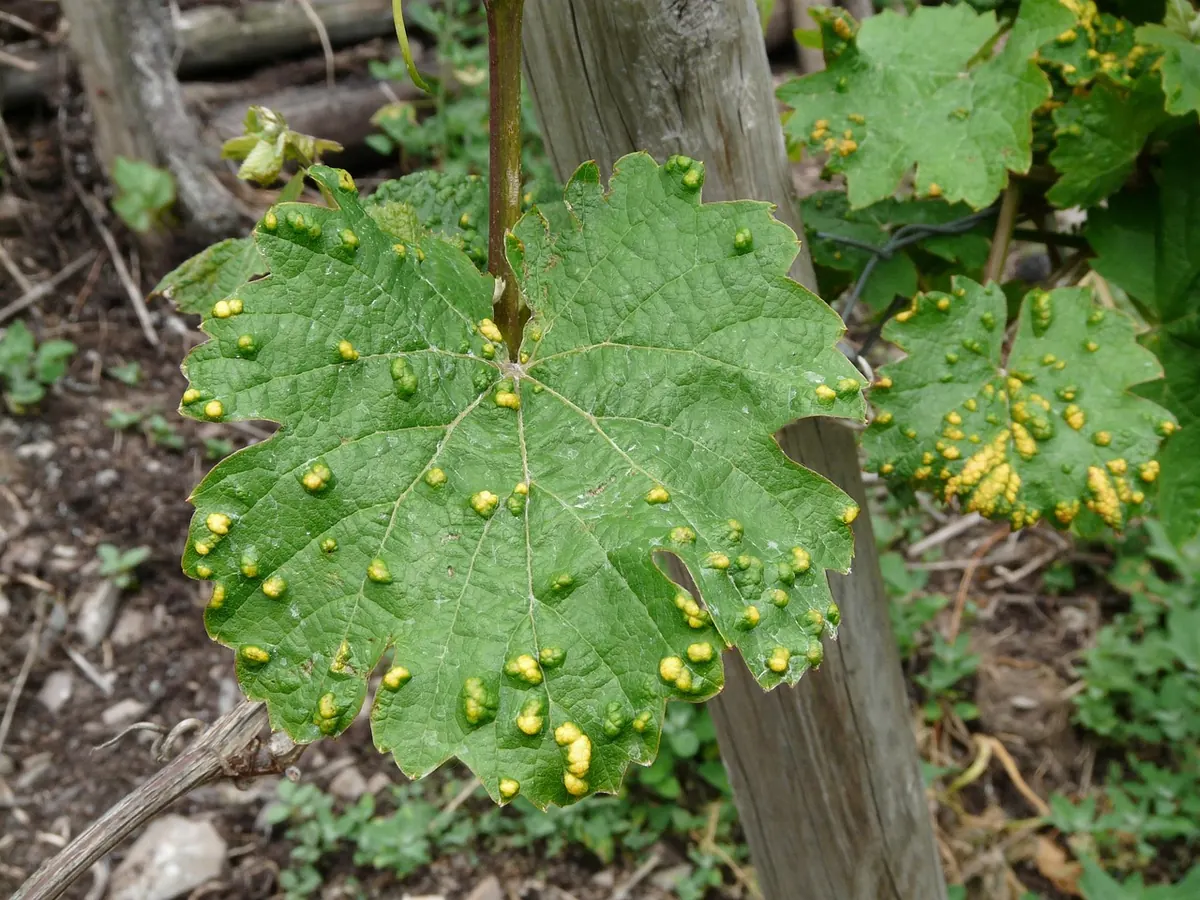
Most grape problems in British gardens begin with good intentions. A vine goes in against a sunny wall, gets watered every evening through summer, is fed generously, and then answers with a tangle of leaves, a handful of sour berries and a slow decline nobody can quite explain. Grapes are tougher than that. They come from thin, stony ground and cope with far less water and food than most of us assume. Four mistakes account for the majority of disappointing UK crops: too much water, fruit that never ripens, pruning that goes wrong in either direction, and disease left to spread. Here is how each one shows up, and what to do about it.
Overwatering Causes More Damage Than Drought
A vine planted in open ground with a reasonable root run rarely needs watering once it is established — usually after two summers. Its roots travel deep and wide, hunting moisture well below the surface. Watering every evening keeps those roots shallow and the soil permanently wet, which is the opposite of what the plant wants.
Watch for the warning signs:
- Lower leaves turning yellow and dropping early, while shoot tips stay soft and sappy
- Slow, pale growth despite warm weather and feeding
- Berries splitting or rotting just as they start to colour
- A sour, stagnant smell in the soil around the base of the vine
Water deeply, then leave it alone
When you do water, give the vine a proper soak at the base — two full watering cans — and then nothing for a week or more. Sandy soils dry out quickly and may need more; heavy clay holds water and is far more likely to drown roots. Keep water off the leaves and fruit altogether, because wet foliage invites mildew. Container vines are a different job: pots dry out fast, so push a finger into the top few centimetres and water only when it feels dry, rather than following a fixed schedule.
Poor Ripening: Work With the UK Season
British summers are short and often cloudy, and sugar only accumulates when leaves catch enough light and warmth. If your berries are still hard and green in late September, the vine is telling you it has taken on more fruit than it can finish.
Four things tip the balance in your favour:
- Choose early-ripening varieties. Reliable outdoor types such as Solaris, Rondo, Phoenix and Seyval Blanc ripen far more dependably here than late-season wine grapes.
- Give the vine a warm site. A south- or south-west-facing wall or fence, with free-draining soil, adds days of useful heat over a season.
- Reduce the crop. Thin crowded bunches to one per shoot. Three ripe bunches you can actually use beat twenty sharp ones.
- Open up the fruit zone. A few weeks after fruit set, remove the leaves directly shading the bunches so light and air reach them. Leave the rest of the canopy intact — those leaves are the sugar factory.
Stop feeding nitrogen from midsummer onwards. Nitrogen pushes leafy growth when you want the vine to be ripening wood and fruit instead.
Pruning Mistakes: Too Much, Too Little, Too Late
Pruning is where beginners either freeze completely or attack with enthusiasm. Both produce the same result: a mass of leaves, tiny bunches and fruit that never ripens. A vine needs a clear framework and a firm annual cut.
Do the main pruning in midwinter
January is usually a good month across most of the UK, with February better in colder spots. Prune when the vine is fully dormant, on a mild day — never in a hard frost. Cutting in autumn or early winter leaves wounds open through the wettest months, and cutting too late in spring causes heavy bleeding.
Decide on the shape before you pick up the secateurs. For most garden vines, a simple spur-trained cordon suits well: one or two permanent arms trained along a wire, with side shoots cut back to spurs of two or three buds. Keep the framework, remove everything else, and cut close to a bud rather than leaving long stubs that die back and let disease in.
Summer pruning is about control
Through the growing season, pinch sideshoots back to a few leaves, tuck loose growth into the wires and take out anything crowding the fruit. Resist the urge to strip leaves wholesale — a vine with no canopy cannot ripen a crop.
Disease Pressure: Still, Damp Air Is the Enemy
Powdery mildew, downy mildew and grey mould all thrive in the sort of humid, close summer we get regularly. Infection almost always begins where leaves and fruit stay wet and air cannot move through the canopy. Prevention is mostly about airflow and hygiene:
- Keep the canopy open through regular summer pruning
- Water the soil, never the foliage or the bunches
- Mulch or keep the ground clear of weeds to reduce rain splash onto leaves
- Clear fallen leaves and shrivelled berries in autumn — bin them rather than composting
- Thin bunches so berries are not pressed against each other
- Walk the vines weekly from May and act at the first suspicious patch
If you decide to use a spray, check the current product label carefully and buy from a supplier who knows fruit crops, as approved treatments and timings change. Where disease has been severe for several years, it is worth getting advice before replanting the same spot.
Small Habits That Make a Big Difference
Plant with the crown just at soil level and the roots spread, not crammed into a narrow hole. Let a young vine establish for two or three years before allowing it to carry much fruit — a heavy crop too early weakens the plant for years. Go easy on general-purpose feed, and never assume more is better. Buy named varieties rather than unlabelled plants, so you know what you are ripening and when to expect it.
A Simple Routine to Follow
Tick off the basics each year and most problems never appear. Winter: prune properly, clear old leaves and debris, mulch. Spring: train new shoots, watch for the first signs of mildew. Summer: thin the crop, open the fruit zone, water deeply but rarely. Autumn: harvest when the berries taste sweet rather than merely coloured, then tidy up. Keep notes on ripening dates and trouble spots, and your second season will be noticeably better than your first.
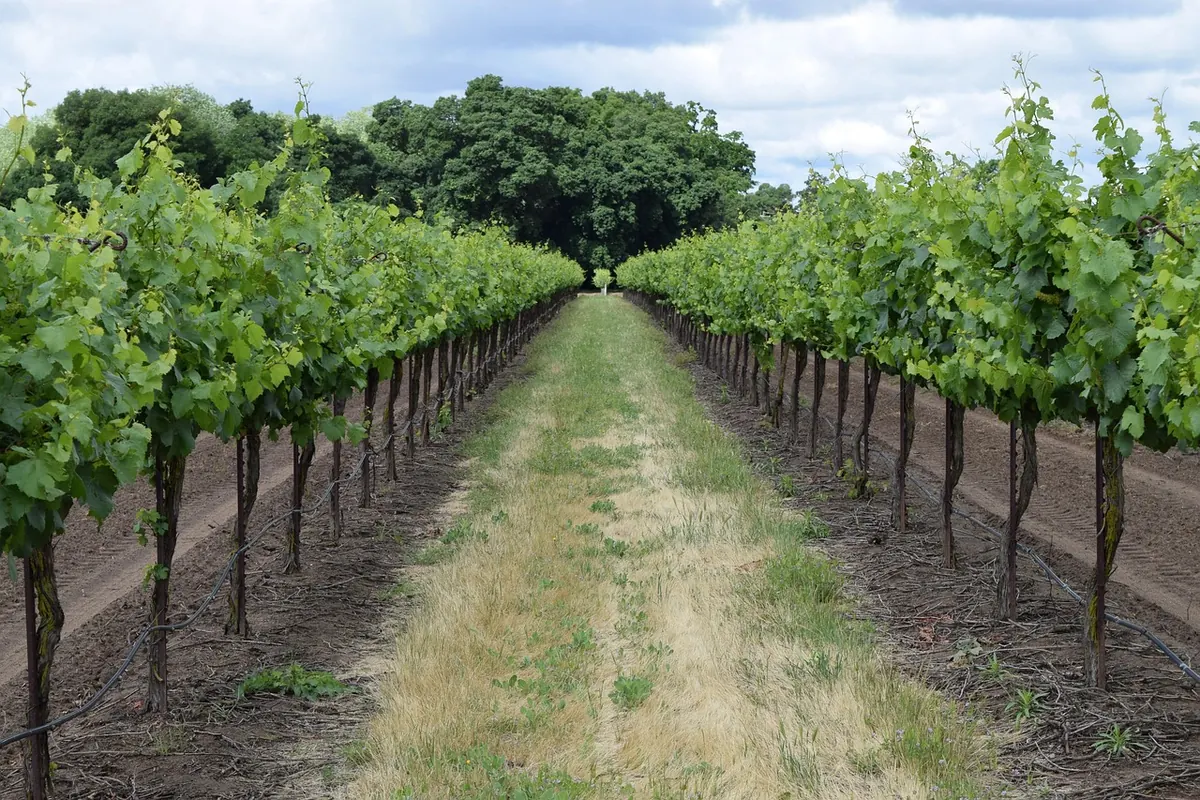
Photo: Hans / Pixabay