September 22, 2026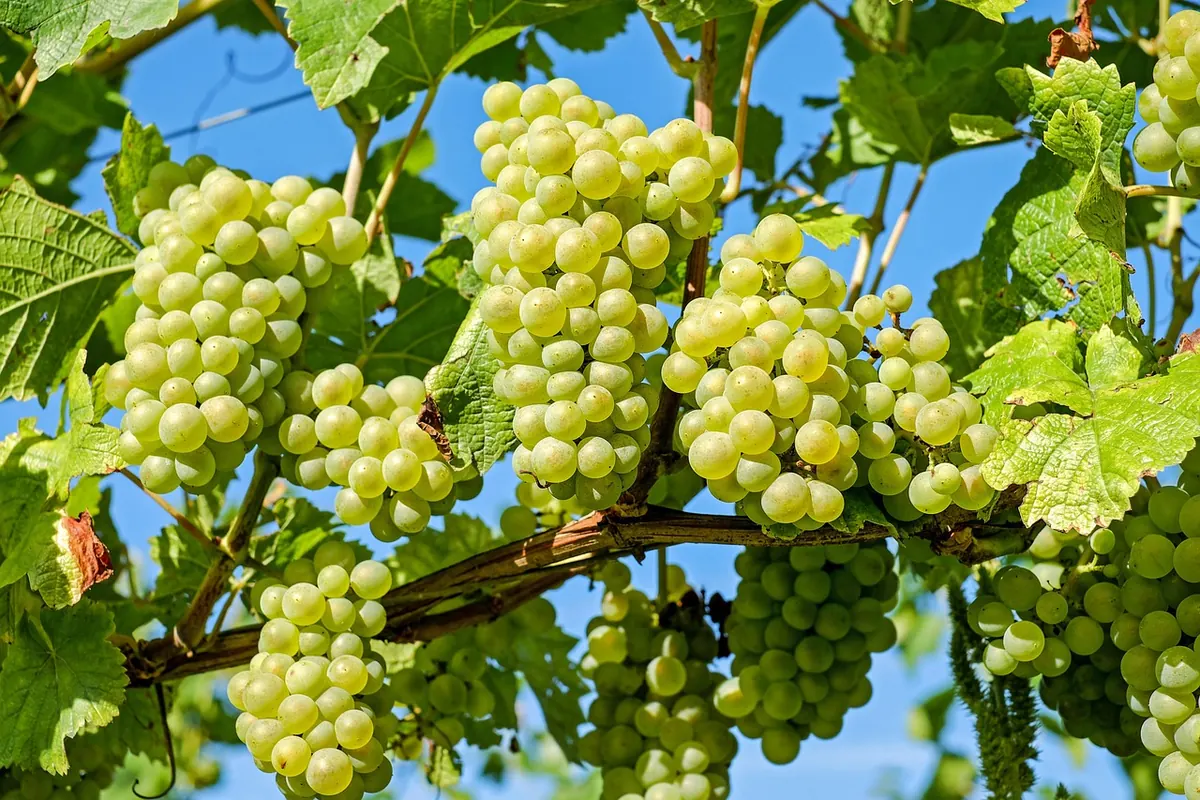
Greenhouse vs Outdoor Grape Growing in the UK: Which Is Better?
There are two ways to grow grapes in Britain, and they feel like different hobbies. Outdoors, you work with the weather: a south-facing wall, a long wait, and fruit that comes good in the nick of time. Under glass, you manage warmth instead — earlier ripening, cleaner bunches, and a vine that will fill the whole house if you let it. Neither is automatically better. Your site, your patience and how much you are willing to fiddle decide it.
What the British climate does to a vine
Vines are easy to grow here. They will push out several metres of growth in a season almost anywhere, including places where the fruit never ripens. The limiting factor is heat: the total warmth accumulated between budburst and autumn, not the odd hot afternoon. You need enough of it to turn acid into sugar, soften the skins and ripen the canes before the first hard frost. In UK terms, that usually means a long, gentle summer with plenty of daylight — something the south and east can often provide, while the north and west struggle even in a good year.
Rain matters too. A wet June disturbs flowering, so bunches set loosely and unevenly. Wet weather in late summer splits berries and invites rot. Then there is site — a south-facing wall, free-draining soil and ground that does not collect frost will do more for your crop than any feed. A vine planted against a warm brick wall in Devon may ripen a full month ahead of the same variety on a cold, open allotment in Yorkshire. That difference is not about skill; it is about accumulated heat.
Ripening: where glass pulls ahead
An unheated greenhouse or polytunnel starts the season earlier and finishes it later, and the fruit ripens in between with far less jeopardy. Rain never dilutes the berries, and there is no wind to shred young leaves in May. Under glass, you can grow varieties that would sulk outdoors — classic dessert grapes such as ‘Black Hamburgh’ or ‘Muscat of Alexandria’ — and you can leave bunches hanging until they are fully sweet rather than picking them early out of fear of autumn storms.
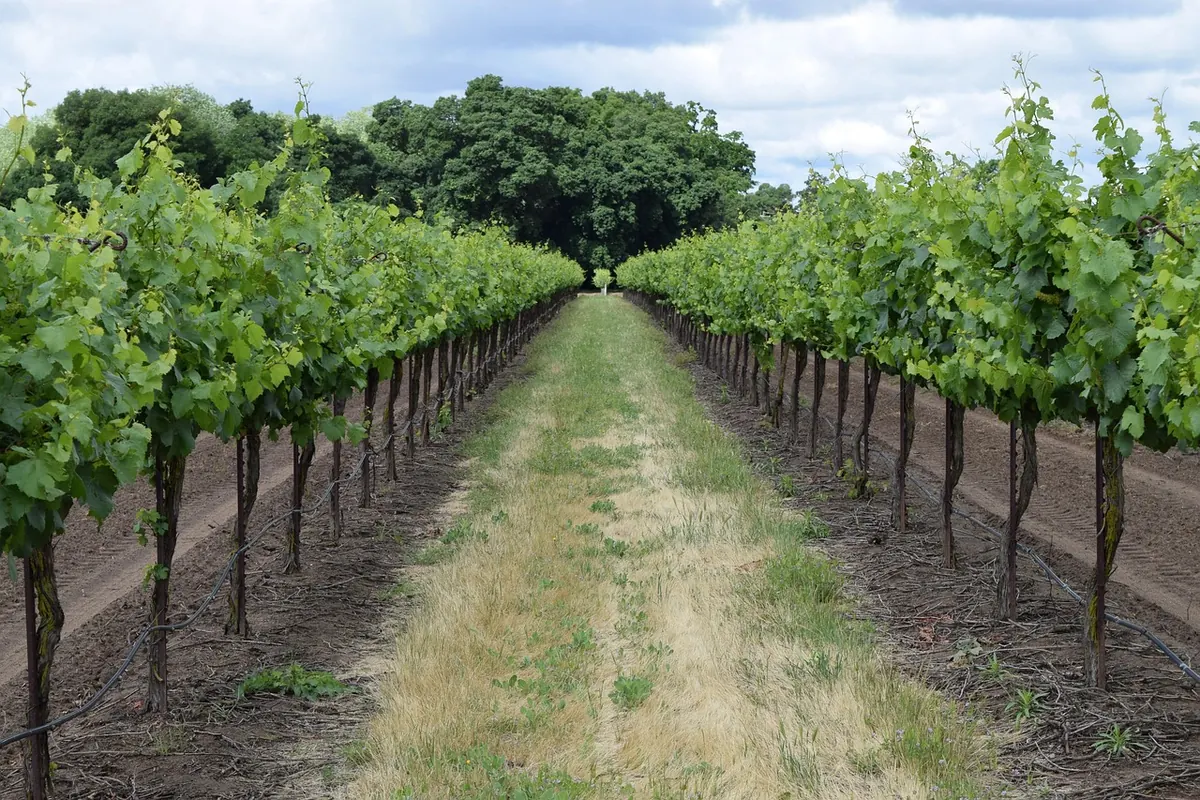
Outdoors you are gambling on a run of warm weeks. Some years a wall-trained ‘Boskoop Glory’ colours and sweetens beautifully; other years it stays sharp and the wasps move in first. That does not make it worthless — sharp grapes make excellent jelly, juice and some white wine — but it does mean thinning the crop hard in July. A vine carrying forty bunches rarely ripens any of them properly; a vine carrying twelve often ripens ten. Outdoor growers should also consider reflective surfaces, gravel mulch or a light-coloured wall to bounce extra warmth back into the canopy.
Disease risk: not a straight win for the greenhouse
Excluding rain removes most of the pressure from downy mildew, the disease that ruins outdoor vines in a wet summer. But warm, still air under glass suits powdery mildew, and crowded growth plus careless watering brings botrytis. Outdoor vines face birds, wasps and soakings, but they do get moving air.
Whichever route you take, the hygiene is much the same:
- Open vents by mid-morning and close them well before dusk; trapped humidity is worse than a cool night.
- Water the soil, not the foliage, and water in the morning so any accidental splash dries before evening.
- Remove fallen leaves and prunings from the floor, because they harbour spores and give slugs a place to hide.
- Thin bunches as soon as they set, leaving enough space for air to move between berries.
- Prune for an open framework in winter, not a dense tangle that stays wet after rain or watering.
- Go easy on nitrogen feeds, which produce soft leaves and few ripe grapes; potassium and magnesium matter more from flowering onwards.
Choosing varieties that suit each method
Outdoor growing in the UK works best with early, disease-resistant varieties. ‘Regent’ and ‘Rondo’ are reliable reds for wine and juice, ‘Solaris’ ripens well in cooler areas, and ‘Seyval Blanc’ is a workhorse white. For dessert grapes outdoors, ‘Boskoop Glory’ and ‘Pinot Noir Précoce’ are among the best bets, though even they need a warm wall and a good summer. If your goal is mainly jelly, juice or a homemade country wine, outdoor vines are perfectly capable and need far less fuss.
Under glass, the field widens. You can try ‘Chardonnay’ or ‘Pinot Noir’ for serious winemaking, or traditional dessert varieties such as ‘Black Hamburgh’, ‘Buckingham Palace’ and ‘Fragola’ for sweet, thin-skinned bunches. The trade-off is management: greenhouse vines grow vigorously, so they need summer pruning, bunch thinning and regular watering. A vine left to its own devices under glass will produce a leafy roof and very little fruit.
Cost, space and effort
A greenhouse is a significant investment, and a polytunnel is cheaper but still needs a sheltered, sunny site. You will also spend more time on ventilation, watering and training, especially in July and August. Outdoor vines cost little beyond a sturdy support, a wall or fence, and some patience. They are also more likely to be damaged by birds, wasps, wind and wet weather, so you may lose part or all of a crop in a poor year.
The real question is what you want from the vine. If you want reliable bunches of sweet table grapes, glass is the clear winner in most of the UK. If you want a low-input crop for wine, juice or jelly, outdoors is often the more sensible choice. Many growers do both: a greenhouse vine for dessert fruit and an outdoor vine for processing.
The practical verdict
Greenhouse growing is better for ripening, protection and consistency. Outdoor growing is better for cost, space and a more relaxed approach. In a warm, sheltered garden, outdoor grapes can be superb; in a cool, wet one, they may never sweeten. Under glass, you can ripen fruit almost anywhere — but only if you are prepared to manage the humidity, the pruning and the watering.
Choose the method that matches your site and your temperament, not the one that sounds most impressive. A well-managed outdoor vine beats a neglected greenhouse vine every time.
So which is better? For most UK gardeners who want grapes to eat fresh, a greenhouse or polytunnel gives the surest results. For those who want a crop for the kitchen, a south-facing wall and an early variety will often do the job. Neither route is wrong. The best vine is the one you will actually look after.
Photo: Couleur / Pixabay