September 11, 2026
A grape vine is generous once it settles, but the wrong variety will sulk for years and hand you a crop of hard, sour berries just before the first frost. Variety matters more than soil, feeding or pruning. Get that right and everything else becomes straightforward. Here is how to choose dessert, wine and dual-purpose grapes that genuinely ripen in a British garden. With dozens of named varieties available, the choice can feel overwhelming, so focus on what will perform in your local climate rather than the glossy photographs in a catalogue.
Match the variety to your space, not to the picture on the label
Before you open a catalogue, stand in your garden and answer three questions. How many hours of direct sun does the spot get in July? Does the ground drain freely, or sit wet through winter? And how late does your first frost usually arrive? A south-facing wall, a greenhouse or a polytunnel effectively moves you several hundred miles south. A free-standing vine in an exposed northern plot gives you the shortest season in the country. For instance, a vine on a south-facing brick wall in Devon may ripen a full month earlier than one on an open allotment in Yorkshire.
Ripening time decides success. British summers are short, so an early variety finishing in around 110 days will crop most years, while a late one needing 150 days will not, however well you feed it. If you garden north of the Midlands, or above roughly 150 metres, treat every extra week of ripening as an advantage you cannot manufacture. As a rule, look for varieties that ripen within 110–130 days from budburst; under glass you can stretch to 150 days.
Vines are unfussy about soil as long as it drains. A deep loam with a pH around 6.5 to 7 is ideal. On heavy clay, plant into a mound or raised bed and work in plenty of well-rotted organic matter, because vine roots hate sitting in water. If your soil is very acidic or very alkaline, adjust with lime or compost, but drainage matters more than perfect pH.
Dessert grapes for outdoor growing
Outdoor dessert grapes need thin skins, decent sugar and, above all, early ripening. These are the ones worth trying.
Reliable in a sheltered, sunny spot
- Boskoop Glory — black berries, sweet and juicy, and one of the most forgiving outdoor grapes. It crops in mediocre summers and resists mildew better than most.
- New York Muscat — red-skinned with a distinct muscat flavour and a usefully long ripening window. Good eaten fresh, and it makes an aromatic wine too.
- Muscat Bleu — early black bunches with a muscat tang and good disease resistance. It sets well outdoors, which is more than can be said for many muscats.
- Siegerrebe — pinkish-white berries, honeyed and low in acid, ready from late August.
- Canadice — small seedless red berries on loose bunches. Seedless types split less in wet weather, which matters here.
All of these benefit from a warm, sheltered spot. Plant them against a south-facing wall or fence, and train them to allow maximum sun exposure. A simple horizontal cordon or fan shape works well.
Best under glass or against a warm wall
- Black Hamburg — the classic greenhouse grape: large, black and richly flavoured. It wants heat and a long season, so give it glass or a very protected wall.
- Himrod and Lakemont — seedless whites, sweet and crisp, early enough to finish under cover in most years.
- Glenora — seedless black with a lively flavour; excellent under glass and worth a warm wall in the south.
Wine grapes that suit British summers
Home winemaking lives or dies on ripeness. Under-ripe grapes give thin, acidic wine. You can add sugar to raise alcohol, but you cannot add flavour. Choose early varieties with good disease resistance, because our damp autumns encourage downy and powdery mildew. For winemaking, the priority shifts to sugar accumulation and acid balance, so look for varieties that ripen early and resist fungal diseases.
- Solaris — very early white with strong mildew tolerance and decent sugar even in a cool year. Widely planted in British vineyards for good reason.
- Rondo — early red, reliable colour, useful for rosé and fuller reds.
- Regent — red, disease-resistant and consistent, though it needs a decent site to ripen fully.
- Madeleine Angevine — early white, generous crops, mild and clean. A safe first wine vine.
- Seyval Blanc — vigorous white, tolerant of damp, crops heavily; thin the bunches to help it finish.
- Triomphe d'Alsace — tough red that copes with poorer summers, with good colour and a slightly rustic flavour.
- Phoenix — white, dual purpose, with useful resistance to mildew.
Chardonnay, Pinot Noir and Bacchus can be grown, but they need the best sites and careful canopy management to ripen fully. They are not the best choice for a beginner or a cold garden. If you want to try them, give them a greenhouse or a very warm, sheltered wall and be prepared to thin leaves and bunches to expose the fruit to the sun.
Dual-purpose and seedless varieties
Some varieties are good for both eating and winemaking. These are ideal if you want a versatile vine but only have space for one or two. Look for Phoenix, New York Muscat, Siegerrebe and Madeleine Angevine. They have good flavour fresh and enough sugar and acid to make a decent wine.
Seedless grapes are a bonus for eating, but they are often less hardy. The best seedless varieties for the UK include Himrod, Lakemont, Canadice and Glenora. They are best grown under glass or against a warm wall, and they need consistent watering to avoid splitting.
Planting, training and rootstocks
Most garden vines are grafted onto a rootstock. In the UK, the most common is SO4 (Selection Oppenheim 4), which is vigorous and tolerant of lime. 5BB is also used and copes well with wet soils. If you buy a vine, check the rootstock; it affects how much the vine grows and how well it handles your soil.
Plant bare-root vines in late winter or early spring, as soon as the soil is workable. Dig a hole wide enough to spread the roots, and plant so the graft union sits about 2.5 cm above soil level. Water well and mulch, but keep the mulch away from the trunk. Train a single stem up to a horizontal wire system, or fan out several stems against a wall. The goal is to expose leaves and fruit to as much sun as possible.
Protecting your crop
Birds, wasps and mildew are the main threats. Netting is essential once the berries start to colour; use a fine mesh that excludes wasps as well as birds. Remove any diseased leaves and ensure good air circulation to reduce mildew. In wet summers, a protective spray of sulphur or potassium bicarbonate can help, but always follow the label. Wasps can be trapped in early autumn, but be careful not to harm bees.
A quick word on climate and microclimate
Climate change is making UK summers warmer, but it is also bringing more erratic weather. Late frosts can damage early growth, so avoid planting in frost pockets. A south-facing wall or a greenhouse gives you a microclimate that can be two or three degrees warmer than the surrounding garden, which can make all the difference for ripening. If you have a choice, plant where snow melts first in winter and where you feel the sun on your back in spring.
Choosing the right variety for your goal
If you want grapes for eating, prioritise flavour and early ripening. If you want wine, prioritise sugar and disease resistance. If you want both, choose a dual-purpose variety. And if you only have space for one vine, pick a reliable outdoor dessert grape like Boskoop Glory or Muscat Bleu. With the right variety, a UK garden can produce a surprisingly generous crop of grapes, even in a less-than-perfect summer.
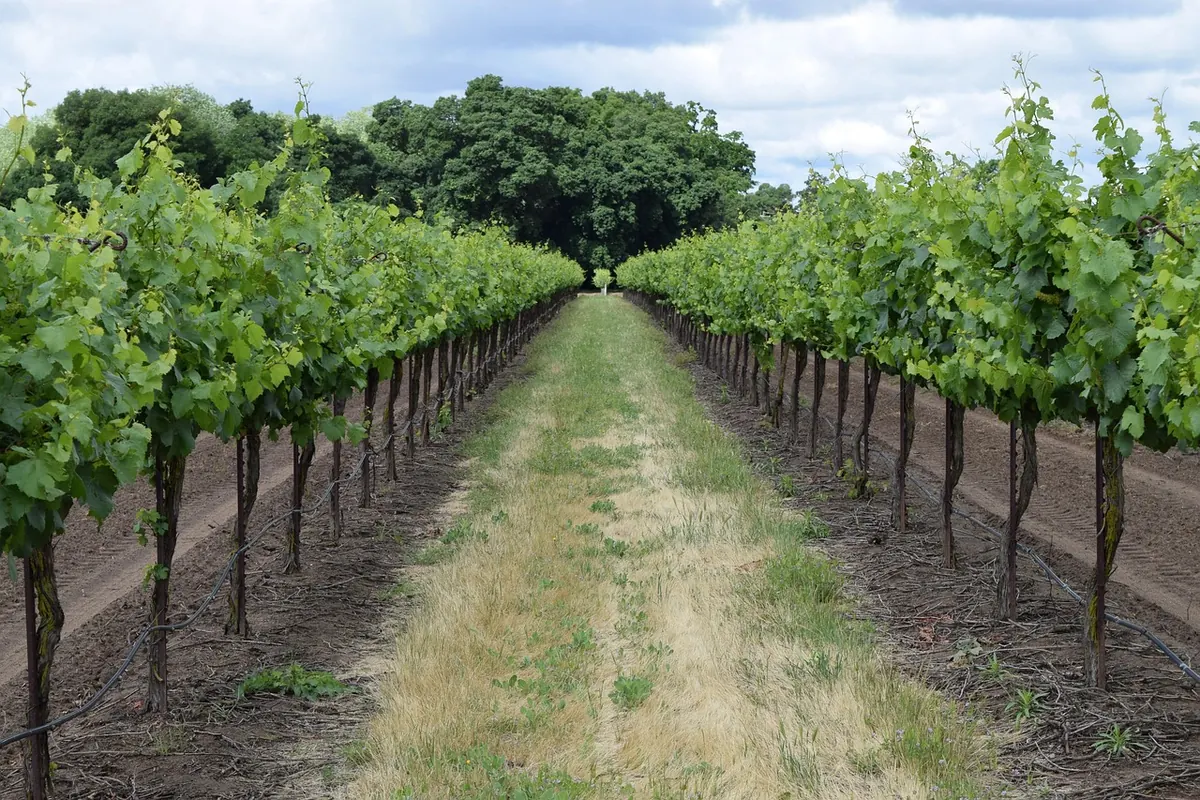
Photo: Couleur / Pixabay